

As a busy professional working full-time, I completely understand the common challenge of finding time to cook healthy meals. It’s a sentiment I’ve heard often: “I don’t have the time to spend on cooking.” My instinctive response is, “Make time for what’s important. If health is important to you, then it needs to be prioritized.”
I don’t mean to be blunt, but I recognize this as an excuse because I’ve been in that position myself. Working in a demanding retail career where weeks blur together and days stretch from early mornings to late evenings, I once felt the same way.
However, I learned to slow down, find balance, change my mindset, and prioritize what truly matters.Through this journey, I’ve discovered that with a little planning and dedication, meal planning can become a manageable and rewarding part of your routine. Here are some tips to help you get started on your path to healthier eating, even amidst a busy schedule.
Through this journey, I’ve discovered that with a little planning and dedication, meal planning can become a manageable and rewarding part of your routine. Here are some tips to help you get started on your path to healthier eating, even amidst a busy schedule.
How to Get Started
STEP 1: Set Your Goals
Before diving into meal planning, take a moment to define what you want to achieve. Are you aiming to eat more balanced meals, save money, or reduce the stress of daily cooking? Having clear goals will guide your planning process and keep you motivated.
STEP 2: Assess Your Schedule
Look at your upcoming week and identify the days when you’ll need quick meals and the days when you can spend more time cooking. This will help you determine the types of meals to plan for each day.
STEP 3: Choose Your Recipes
Select a variety of recipes that align with your goals and fit into your schedule. Aim for a mix of easy, quick meals and a few more elaborate ones for days when you have extra time. Consider incorporating leftovers into your plan to minimize waste and save time.
STEP 4: Create a Shopping List
Once you’ve chosen your recipes, make a comprehensive shopping list. Organize it by categories (produce, pantry items, proteins, etc.) to streamline your grocery shopping. This will help you avoid impulse buys and ensure you have all the ingredients you need.
STEP 5: Prep in Advance
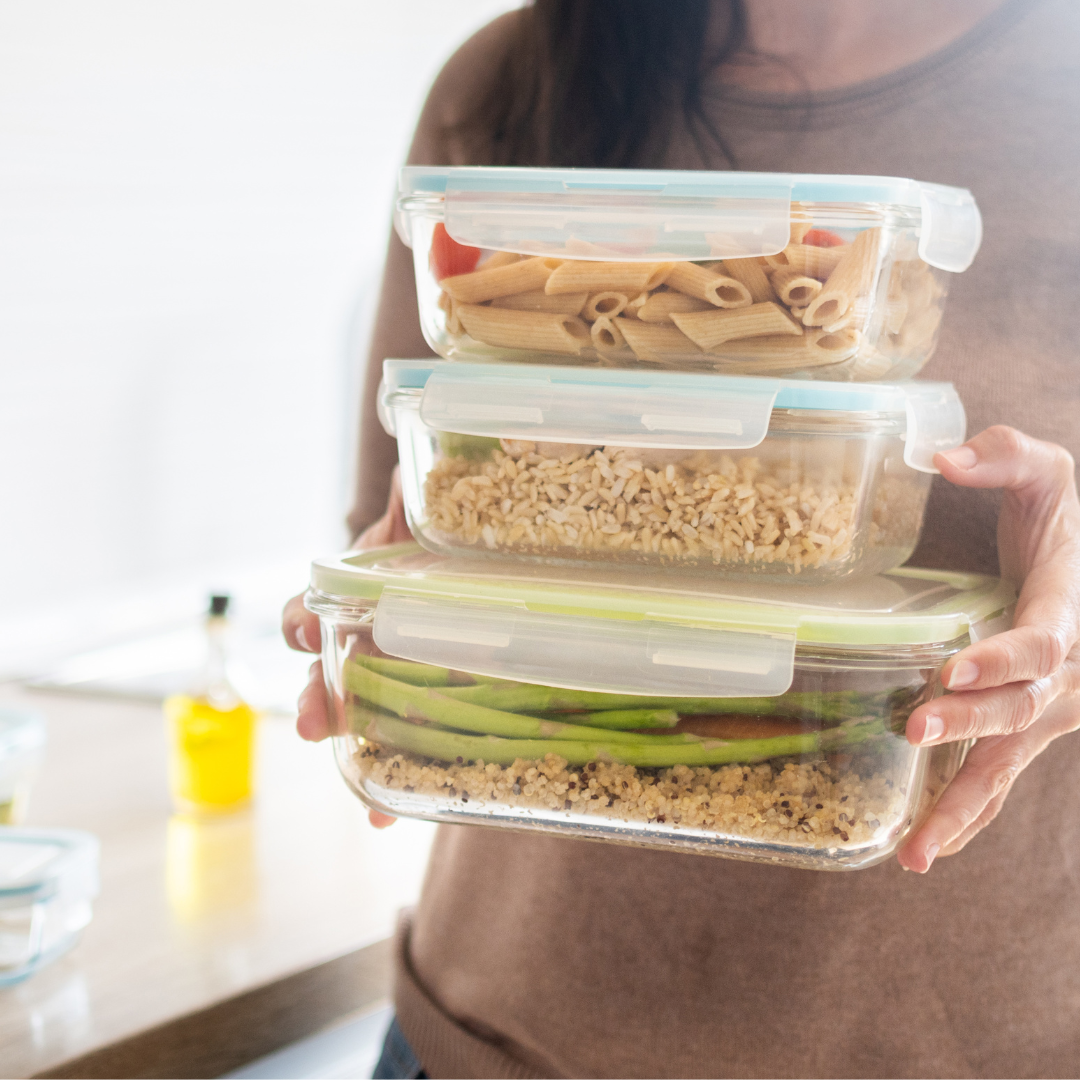
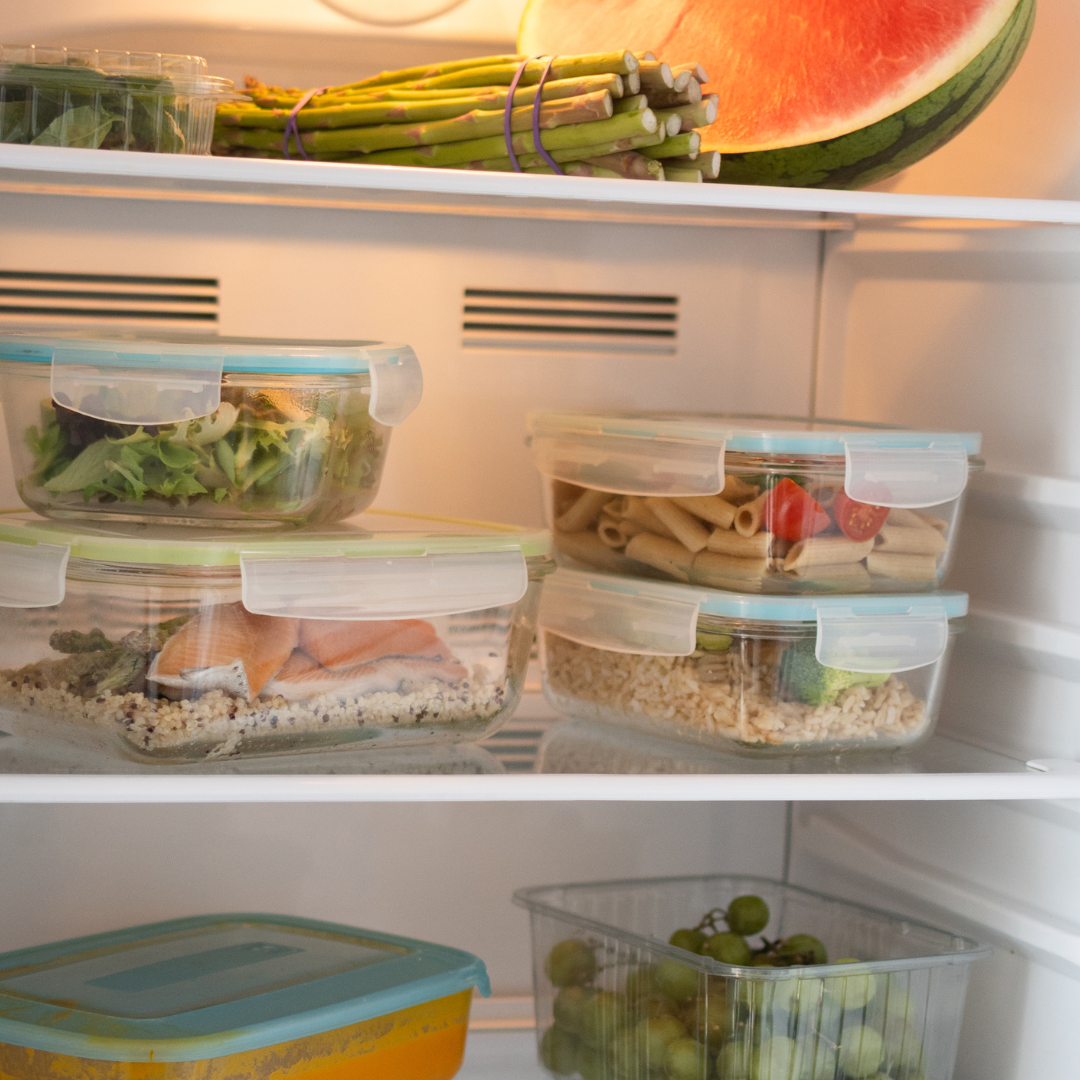
Spend some time prepping ingredients in advance to make cooking easier during the week. This could include chopping vegetables, marinating proteins, or cooking grains. Having these components ready to go will make meal preparation quicker and more efficient.
STEP 6: Stay Flexible
While planning is important, it’s equally essential to remain flexible. Life can be unpredictable, so be prepared to adjust your plan as needed. Having a few backup meals or pantry staples on hand can help you stay on track even when things don’t go as planned.
STEP 7: Evaluate and Adjust
At the end of the week, take a moment to evaluate what worked well and what didn’t. Use this insight to adjust your plan for the following week. Over time, you’ll develop a meal planning routine that suits your lifestyle and preferences.
By following these steps, you’ll be well on your way to mastering meal planning. Remember, the goal is to make your life easier and healthier, so don’t stress about perfection. Happy planning!
If you have any questions or need further guidance, feel free to reach out to me at hello@viesvitalitykitchen.com. Enjoy your journey to a more organized and nutritious lifestyle!




Leave a Reply