
Meal planning can be a transformative tool in achieving your health goals. Whether you’re looking to eat healthier, save money, or simply make your life easier, planning your meals can be a game-changer.

Tips for planning nutritious meals without breaking the bank
Planning nutritious meals on a budget can be challenging, but it’s entirely possible with the right strategies. When I embarked on my healthy eating journey, I didn’t have the luxury of an unlimited budget, but I was determined to make it work. My primary goal was to reduce toxicity and inflammation by focusing on clean eating and avoiding pesticides. As shared in Meal Planning for Beginners, setting clear goals is crucial because it provides a starting point. With these goals in mind, I discovered how to plan nutritious meals without breaking the bank.
| Plan Your Meals: Start by planning your meals for the week. This helps you avoid impulse buys and ensures you only purchase what you need. | Make a Shopping List: Create a list based on your meal plan and stick to it. This reduces the temptation to buy unnecessary items. |
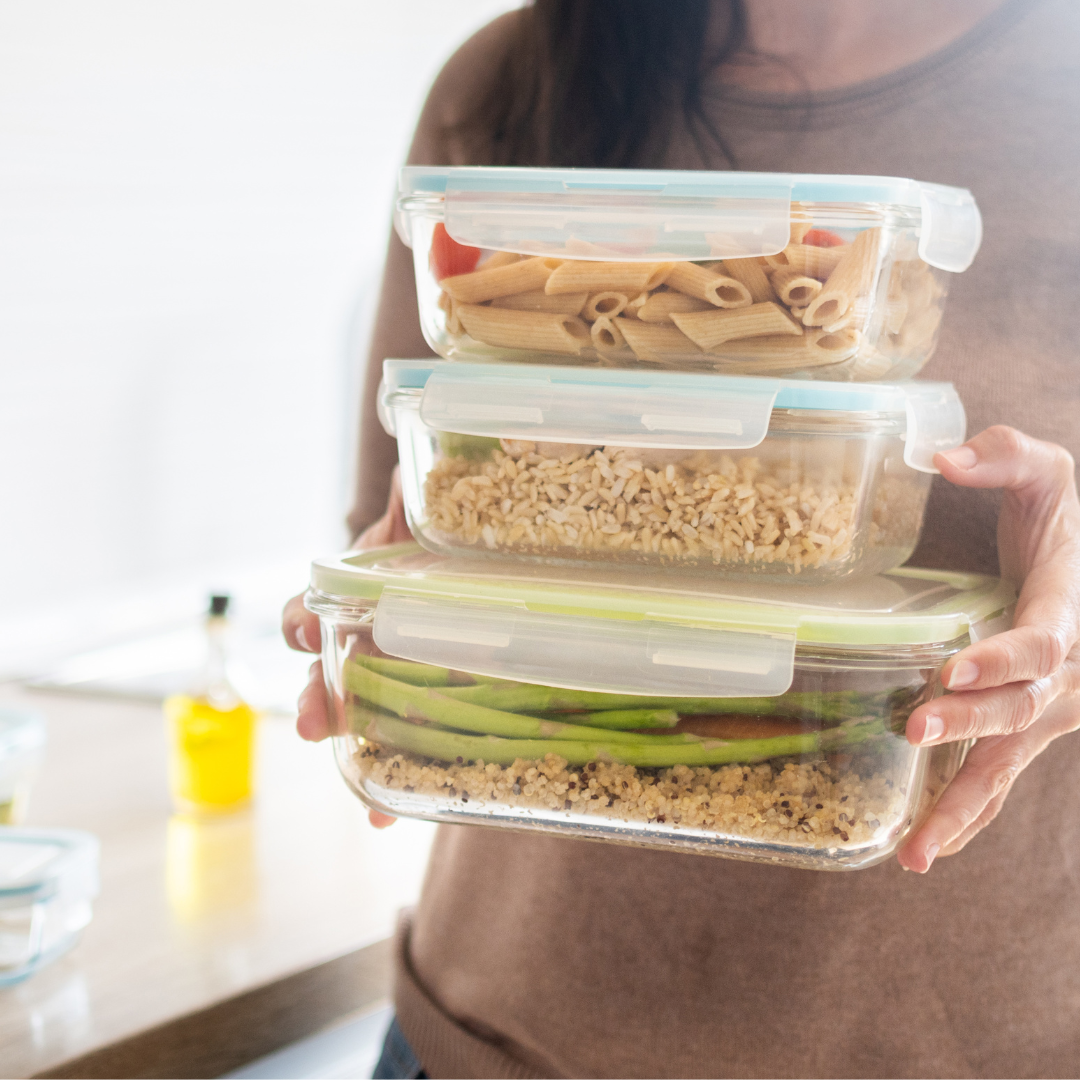
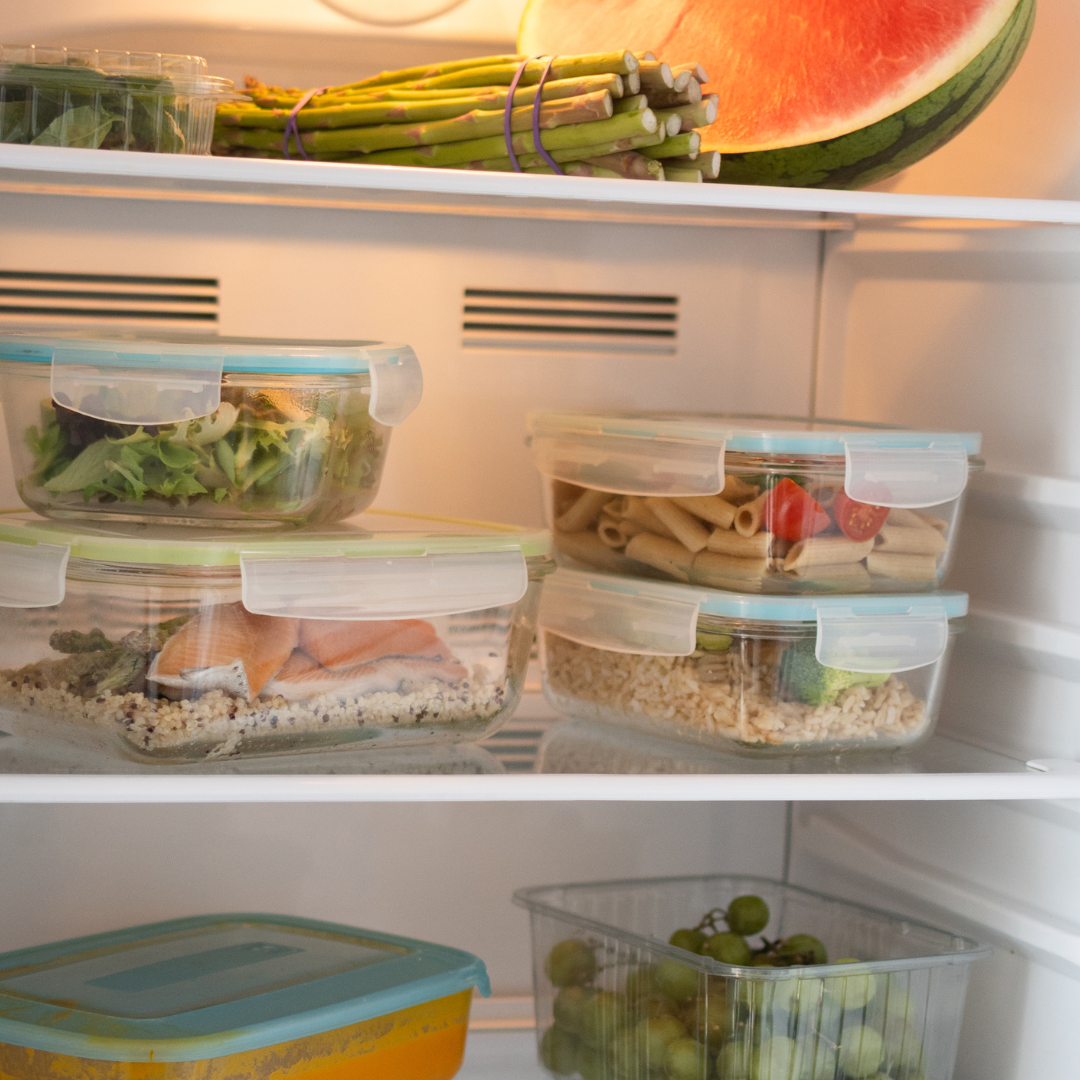
| Cook Protein in Bulk: For meat lovers like myself, eating on a budget doesn’t mean giving up meats. Consider cooking proteins in large portions and freezing them for later use. Prepare a big pot of stew, grill or roast meats in bulk, and store them in portion-sized containers. | Marinate and Freeze Protein: Another great option is to marinate your proteins before freezing. This allows the flavors to infuse while saving time on meal prep. Simply prepare your favorite marinades, coat the meat, and freeze it. When you’re ready to cook, just thaw and enjoy a flavorful meal. |
| Buy in Bulk: Consider buying non-perishable items like grains, beans, and frozen vegetables in bulk. They are often cheaper and can be stored for longer periods. | Choose Seasonal Produce: Seasonal fruits and vegetables are typically more affordable and fresher. Visit local farmers’ markets for the best deals. |
| Eat Organic When Possible: Prioritize organic produce, especially for items known to have higher pesticide residues. This can help reduce your exposure to harmful chemicals. You can refer to the Dirty Dozen and Clean Fifteen list for guidance on which produce to buy organic. | Cook at Home: Preparing meals at home is generally less expensive than dining out. Plus, you have control over the ingredients and portion sizes. |
| Embrace Leftovers: Cook larger portions and save leftovers for future meals. This saves both time and money. | Use Coupons and Discounts: Keep an eye out for coupons and discounts at your local grocery store. These can significantly reduce your grocery bill. |
| Opt for Plant-Based Meals: Incorporating more plant-based meals can be cost-effective and healthy. Beans, lentils, and tofu are great protein sources that are often cheaper than meat. | Limit Processed Foods: Processed foods can be more expensive and less healthy. Focus on whole foods for better nutrition and cost savings. |
By following these tips, you can enjoy a healthy diet without straining your budget. Remember, planning and mindfulness are key to eating well on a budget. Happy meal planning!




Leave a Reply